Most people spend a lot of time thinking. We think the food tastes nice. We think that we locked the door on our way out, but we aren’t sure. And on top of that, we think – we are in fact convinced – that there is good in the world.
But you may have noticed that it is not quite as simple in Danish. Often, you’re going to have to decide whether to use tror, synes, or mener when talking about your thoughts, opinions, and beliefs.
This little guide will help you get on the right track when you’re not sure whether to use tror, synes, or mener – let’s break it down together!
When to use tror
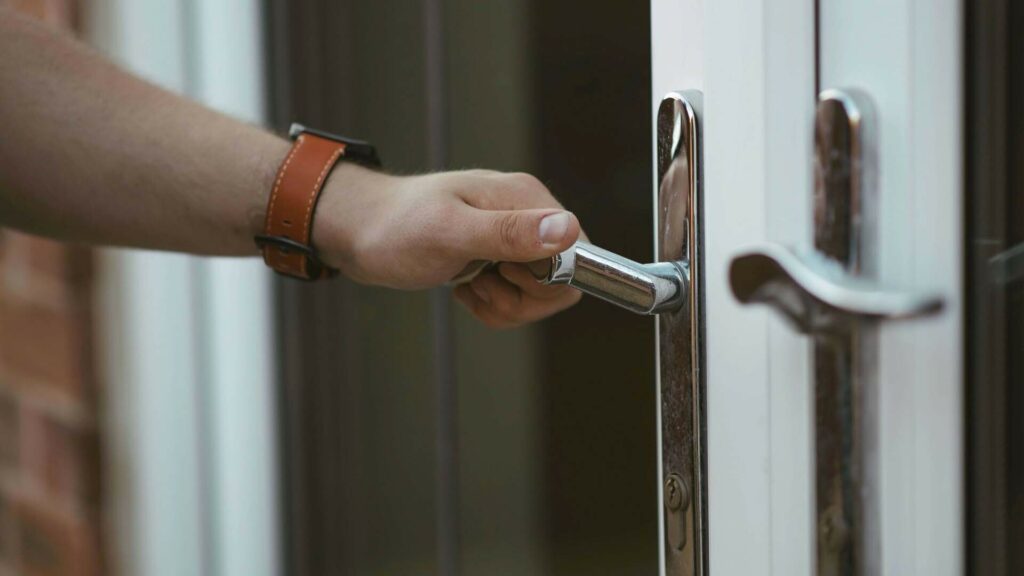
Let’s say you believe that the door is locked – but you don’t know for sure, it might also be unlocked.
Jeg tror, at døren er låst. (I think that the door is locked.)
This example shows that you have a guess about the situation, but it could also be false. You would need knowledge that you do not have.
Jeg tror, at pizzaen er god. (I think that the pizza is good).
Now careful – in English, this sounds suspiciously like an opinion. It sounds like you’ve tried the pizza and you like it. But the word tror in the Danish version tells us that you actually haven’t tried the pizza just yet. You just believe that it is good – maybe because it looks nice, or maybe because the chef who made it has a good reputation. But since you haven’t tasted it, all you can do is guess.
When to use synes

Now, what if you have indeed tried the pizza, and it tastes delicious to you? This is the time where you can say:
Jeg synes, at pizzaen er god. (I think that the pizza is good).
So, to express your opinions, synes is the verb of choice! It tells people that what follows is your subjective opinion, how you feel about something. They might agree, or they might disagree – this is just your take on it. According to your taste, this is a good pizza – even though the Italian guy next to you is shaking his head because you chose to have kebab on top of it.
When to use mener

Mener is a way to express that you are convinced or strongly believe that something is the case.
Anna mener, at kebabpizza blev opfundet i Skandinavien. (I think that kebab pizza was invented in Scandinavia.)
Maybe Anna has good reason to believe that kebab pizza was invented in Scandinavia, as she read it in a guide or she is knowledgeable on the matter. Either way, you are pretty sure that this is the case.
Jeg mener, at vi burde passe bedre på miljøet. (I think that we should take better care of the environment.)
Technically, you could also use synes here, because it is an opinion. But by using mener, we are making the statement stronger. We indicate that we are convinced about this and that what we are saying is based on facts.
What about tænker?

If you’re savvy at Danish, you might be wondering why at tænke hasn’t been mentioned in this post once – even though it’s one of the most literal translations of to think. In modern Danish, people sometimes actually say jeg tænker, at … in place of jeg tror/synes/mener/ved, at...
But technically, this is not correct. At tænke is more about the act of thinking itself, instead of introducing the content of a thought or an opinion. Some examples using tænker are:
Jeg tænker på den gode pizza, jeg spiste i går. (I’m thinking about the good pizza I ate yesterday.)
Jeg tænker over, om døren er låst. (I’m thinking about whether the door is locked).
Jeg kan ikke sove om natten, fordi jeg tænker for meget. (I can’t sleep at night because I think too much.)
What exactly you are thinking when you’re thinking about the tasty pizza or when you’re trying to sleep is not as important as the fact that you are spending your time thinking. And when you’re thinking about whether the door is locked, you don’t really have a guess or at least, you aren’t sharing it – you’re just using your brain trying to find out.
Tror, synes, or mener – now you know 3 ways of thinking!
And now you’re an expert on a whole bunch of different ways to voice your thoughts, beliefs, and opinions in Danish using tror, synes, or mener! Remember that we use …
- tror when we don’t know for sure about something, but are making a guess
- synes when we are talking about our subjective opinion
- and mener when we are convinced about something.
To get some more info about how tror, synes and mener are used, check out this lesson at Swap language! You’ll also find out more about Danish family life. Happy learning!


